
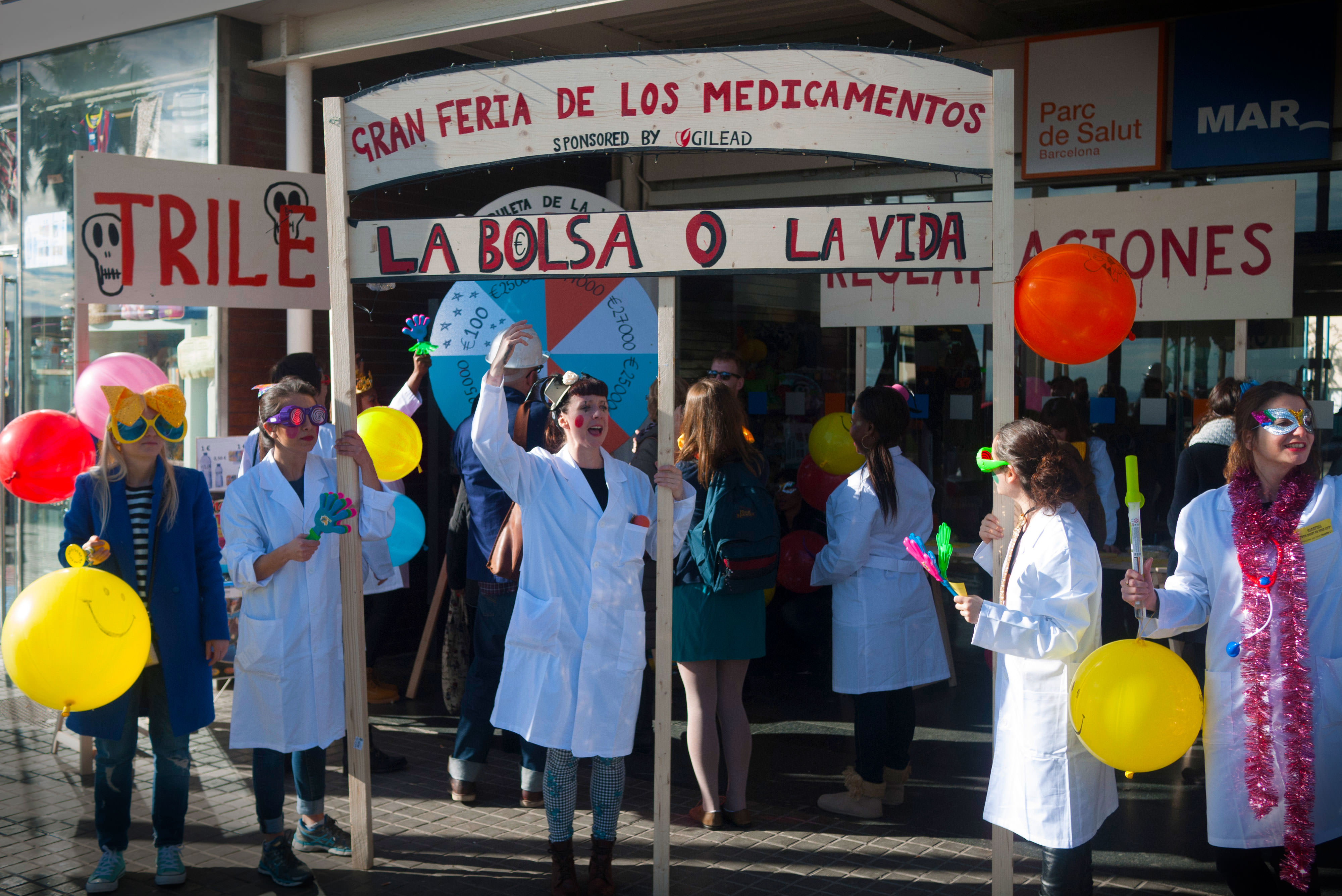
To introduce some of the theories, methods and principles of artistic activism to new audiences we recorded Creative Resistance Podcast Mini-Series covering the basics of Artistic Activism, Audience, Tactics & Strategies, Context and, of course, Success & Failure. Explore the basics, or expand your knowledge, of what artistic activism is all about with the first …
Tag Archives: interview
Steve Lambert on WFMU’s Techtonic

Center for Artistic Activism co-founder, Steve Lambert, was interviewed on WFMU’s Techtonic radio show on September 14. The interview covered the Center for Artistic Activism’s withdrawl from Facebook, the COVID-19 Dolly Parton “Jolene” Parody for Free the Vaccine, and our Advocacy Innovation Lab: Free the Vaccine for COVID-19. You can listen on techtonic.fm or the …
Webinar #27: Avram Finkelstein
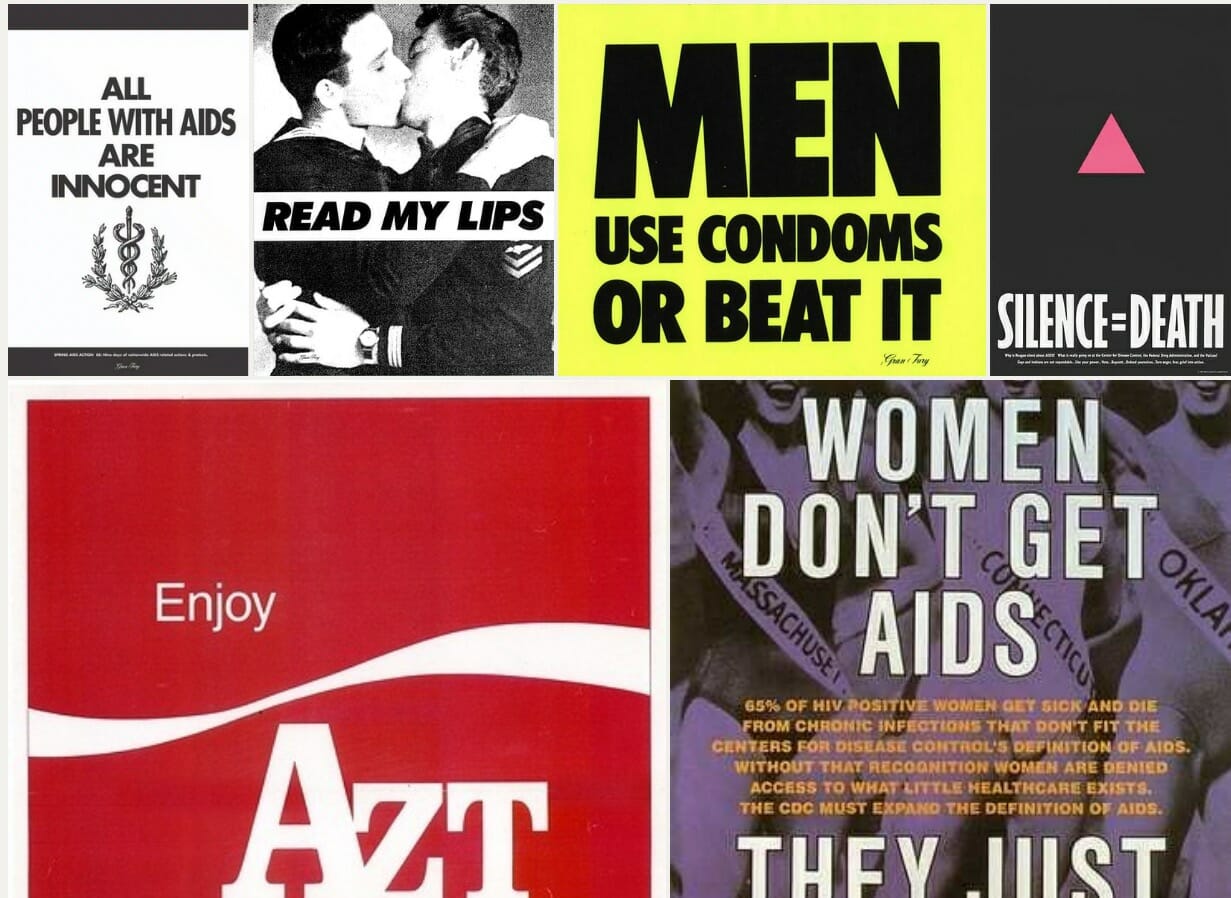
Avram discusses collectivity and communicating in public space for participants of the Free the Vaccine for COVID-19 campaign. At our last Free the Vaccine for COVID-19 meeting some participants said they wanted to know more about working in collectives. We immediately went to Avram Finkelstein who has a wealth of experience with working in collectives …
Creative Resistance 5: Success & Failure
Creative Resistance is a special edition podcast mini-series in affiliation with the Center for Artistic Activism and is hosted by Research Fellow, Sarah J Halford. EPISODE 5 — SUCCESS & FAILURE Creative Resistance is a special edition podcast mini-series in affiliation with the Center for Artistic Activism and is hosted by Research Fellow, Sarah J …
Creative Resistance 4: Context
Creative Resistance is a special edition podcast mini-series in affiliation with the Center for Artistic Activism and is hosted by Research Fellow, Sarah J Halford. EPISODE 4 — CONTEXT In this episode, we heard from art activists: Ron Goldberg, Elliot Crown, Avram Finkelstein From Avram (on the context of the early days of the HIV/AIDS …
Creative Resistance 3: Tactics & Strategies
Creative Resistance is a special edition podcast mini-series in affiliation with the Center for Artistic Activism and is hosted by Research Fellow, Sarah J Halford. Tactics & Strategies In this episode, we hear from art activists Ron Goldberg, Joey Juschka, Diana Arce, André Leipold (Center for Political Beauty). From Ron: “You have to get into …
Continue reading “Creative Resistance 3: Tactics & Strategies”
Creative Resistance 2: Audience
Creative Resistance is a special edition podcast mini-series in affiliation with the Center for Artistic Activism and is hosted by Research Fellow, Sarah J Halford. Episode 2: Audience! In this episode, we heard from art activists Avram Finkelstein, Mark Read and Rachel Brown of The Illuminator, Diana Arce, and Beatrice Glow. From Avram: “First of …
Creative Resistance 1: What is Artistic Activism?
Creative Resistance is a special edition podcast mini-series in affiliation with the Center for Artistic Activism and is hosted by Research Fellow, Sarah J Halford. In this episode, we meet Diana Arce, who is an artist, researcher, and activist based in Berlin. Diana’s also the creator of Politaoke, a karaoke-style participatory performance in which audience …
Continue reading “Creative Resistance 1: What is Artistic Activism?”
Coming soon: Creative Resistance Mini-Series!
Enjoy C4AA’s podcasts? Donate now! Pat and the Steve’s have been doing C4AA work around the world, so we haven’t seen new Pop Culture Salvage Expeditions episodes in some months. However, we have good news. C4AA Research Fellow Sarah J. Halford has delivered Creative Resistance – a podcast mini-series on the basics of artistic activism, …
Continue reading “Coming soon: Creative Resistance Mini-Series!”
Beatrice Glow
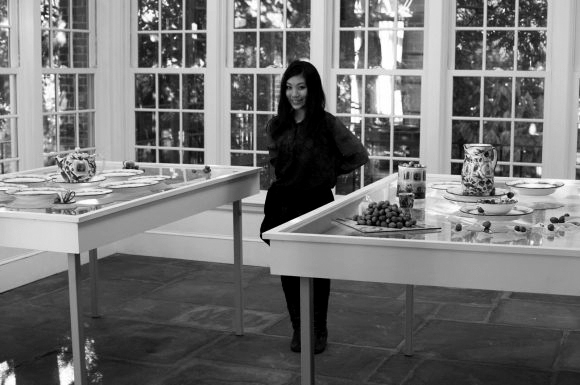
It’s a long wave. I think of everything as being interdependent or part of an ecosystem, philosophically and biologically. There are urgent moments of crisis where the waves are crashing on the land, which are the moments that activists quickly rise to. But then there’s the long waves, behind them, that are holding a space. …
Joey Juschka
“ intention is to raise the topic, and on one side, be funny, and on the other side be really serious underneath; to find a way into people’s minds in a way that isn’t confrontational, because then most people would go, “Oh yeah? You want to confront me? You’re aggressive! Why should I stay and …
Andrew Boyd

“I think there is something affirming of our humanity in culture – in the community building side of things. A connective tissue, quilting all of us together and creating meaning as you strive for these outcomes. That is different from operational politics – when you’re just trying to do turn out or get numbers or …
Avram Finkelstein
“That’s the thing about history, you know, history is capital. The reason why I think the distinctions are worth knowing about is while communal responses, political responses, like ACT UP are incredibly valuable and noteworthy, there’s also power in the individual voice. It was six gay men, who had no idea that they were surrounded …
“You can also define creative intervention as a real move”: Fragments of an interview with Andrew Boyd
Andrew Boyd describes himself as an “author, activist, and prankster for social change”, involved in campaigns such as Billionaires for Bush or The other 98%. Together with Dave Oswald Mitchell, he recently edited Beautiful Trouble. A toolbox for revolution, a kind of instruction manual for creative activism. We had the chance to ask him some …
Coco Fusco
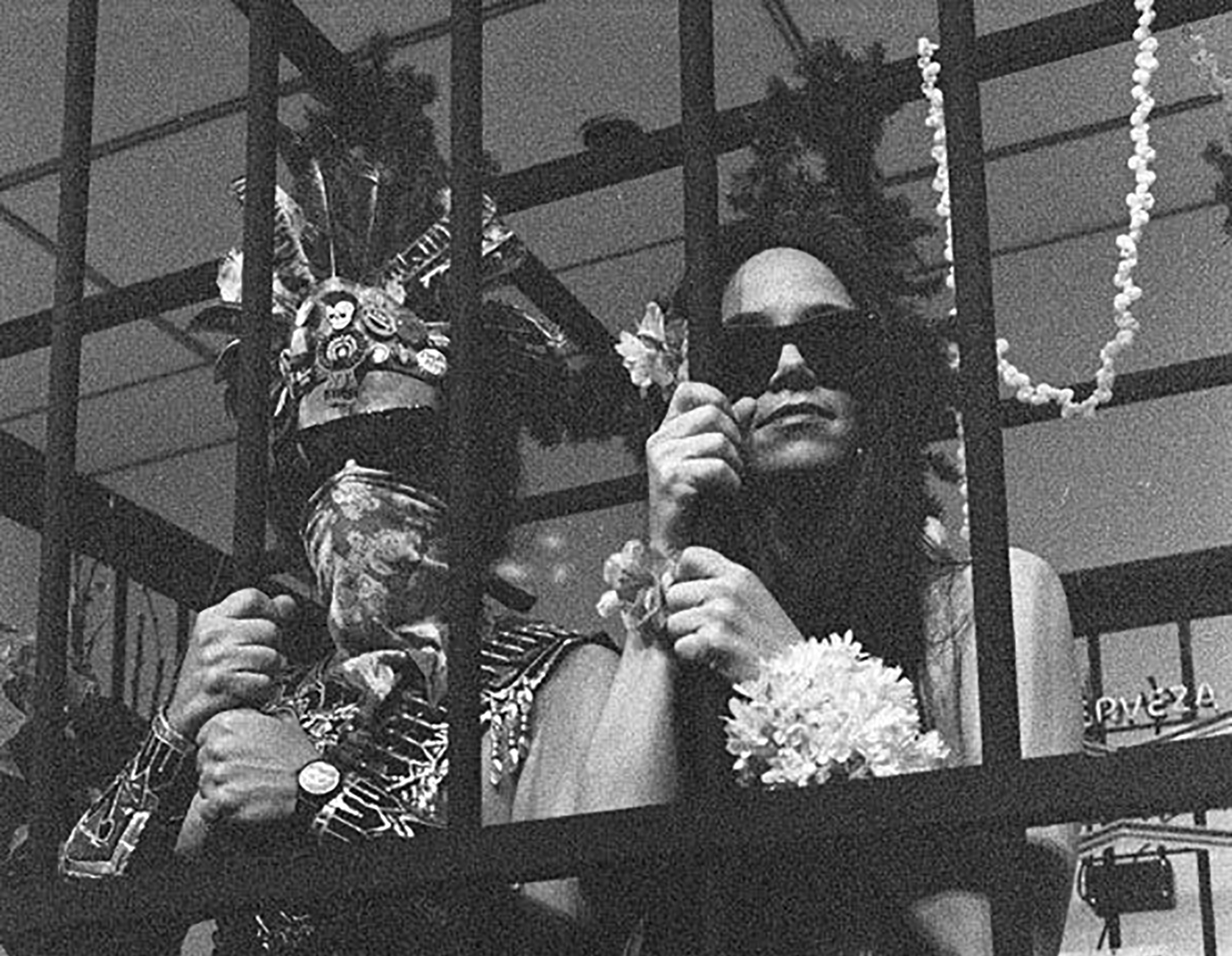
“People don’t like the things that I do. At all. The problem is that I still do them. So it’s kind of like, it would be easy to throw me out for a lot of reasons, and I have gotten bounced. But I’m still working. That’s enough.” “It took three hundred years to get rid …
L.M. Bogad
Innovation, surprise… when you surprise someone, you’re earning a moment because you’re opening up a space. The surprise can open up a temporal, experiential space where anything can come in. There’s opening up a political space, opening up a physical space. Events, protest events, tend to either occupy space or open space. There are …
Dread Scott
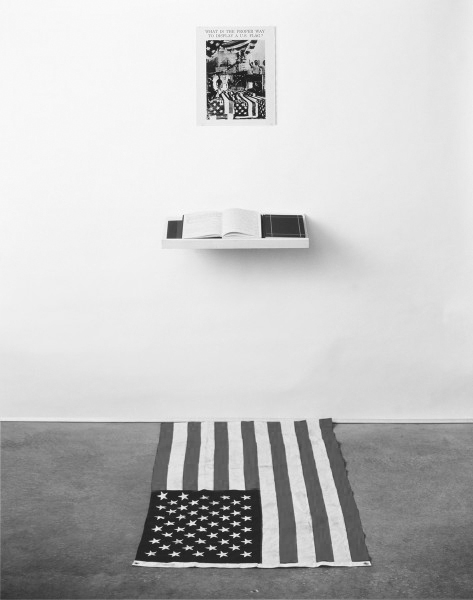
“They denounced my work on the floor of the Senate as they passed the legislation. And President Bush publicly said he thought the work was disgraceful. So here I am 24 years old and the President of the United States knows I exist and doesn’t like what I’m doing, and I think, I must …
Joseph DeLappe
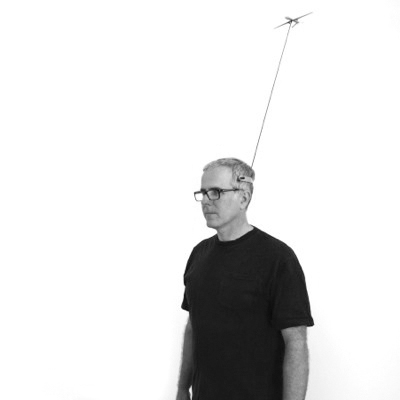
Joseph DeLappe, Dead in Iraq, 2007 “It may not effect change in the kind of physical sense that maybe we’ve been talking about, but I think if you can get inside someone’s head, and make the synapses shift for a second, then there’s something really valuable to that.” Working with electronic and new media since …
Rebecca Bray and Britta Riley
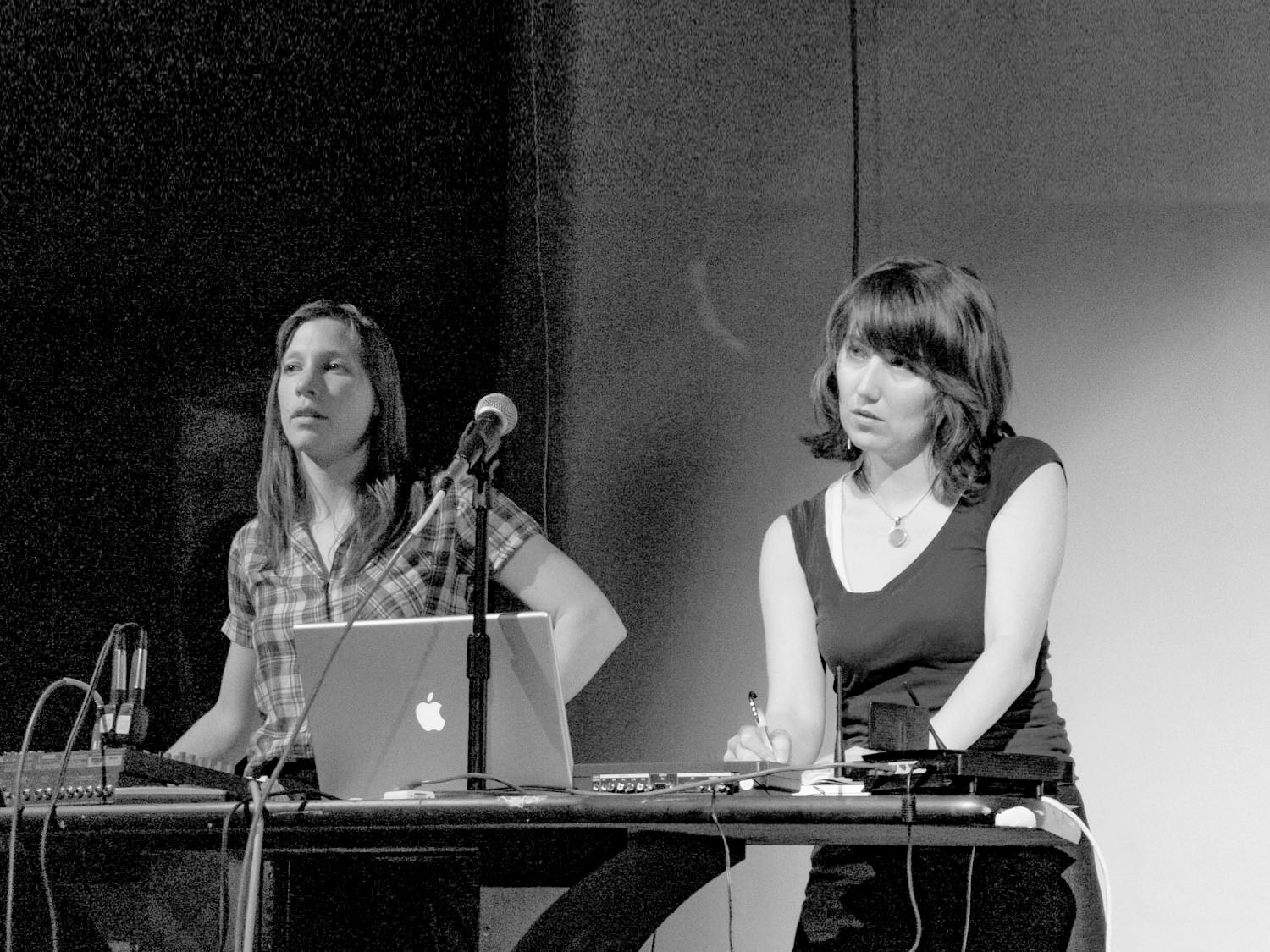
“…in terms of success, it really became more than just the art project that’s sitting on the wall. It became something that people wanted to engage in and talk about the wider implications.” “We actually wanted to give our work to the audience and let them play with it.” At the time of our interview Britta …
Eve Mosher
In a few short years, Eve Mosher went from being an abstract sculptor who cared about the environment to an artist making powerful, engaging, and interactive public works about the climate crisis. Kitra Cahana/The New York Times Eve is an artist and interventionist living and working in New York City. Her work has been profiled …
You must be logged in to post a comment.