
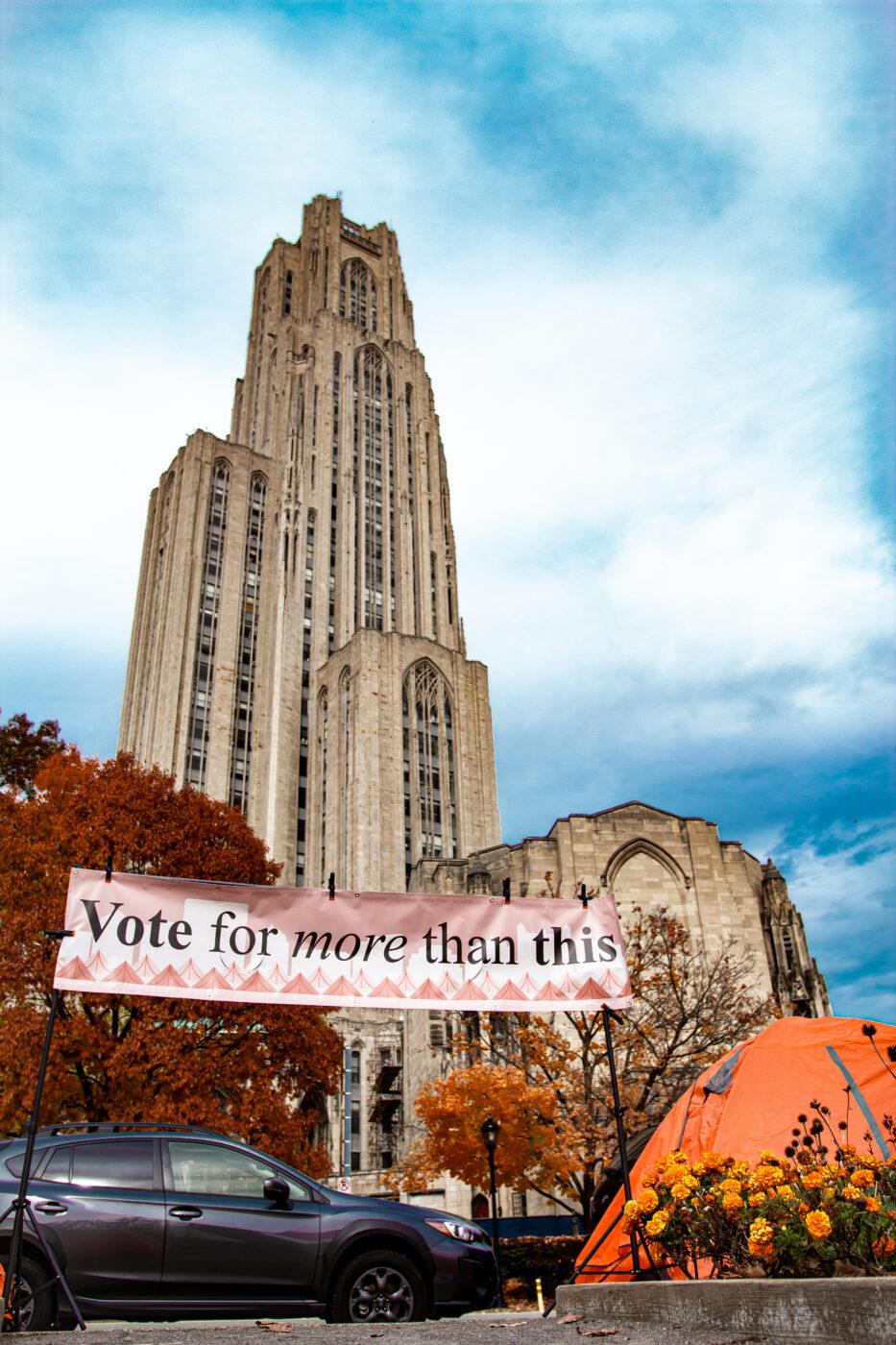
Pittsburgh DSA created an Unstoppable Voters Project – a series of Center for Artistic Activism supported works that protect the freedom to vote with creativity and innovation. Pittsburgh DSA Pittsburgh DSA volunteers mobilized two months of deep canvassing, to hear neighbors’ stories of housing insecurity and help them register to vote and make voting plans. …
Tag Archives: elections
Unstoppable Voters: MUNA and HeadCount on Tour!
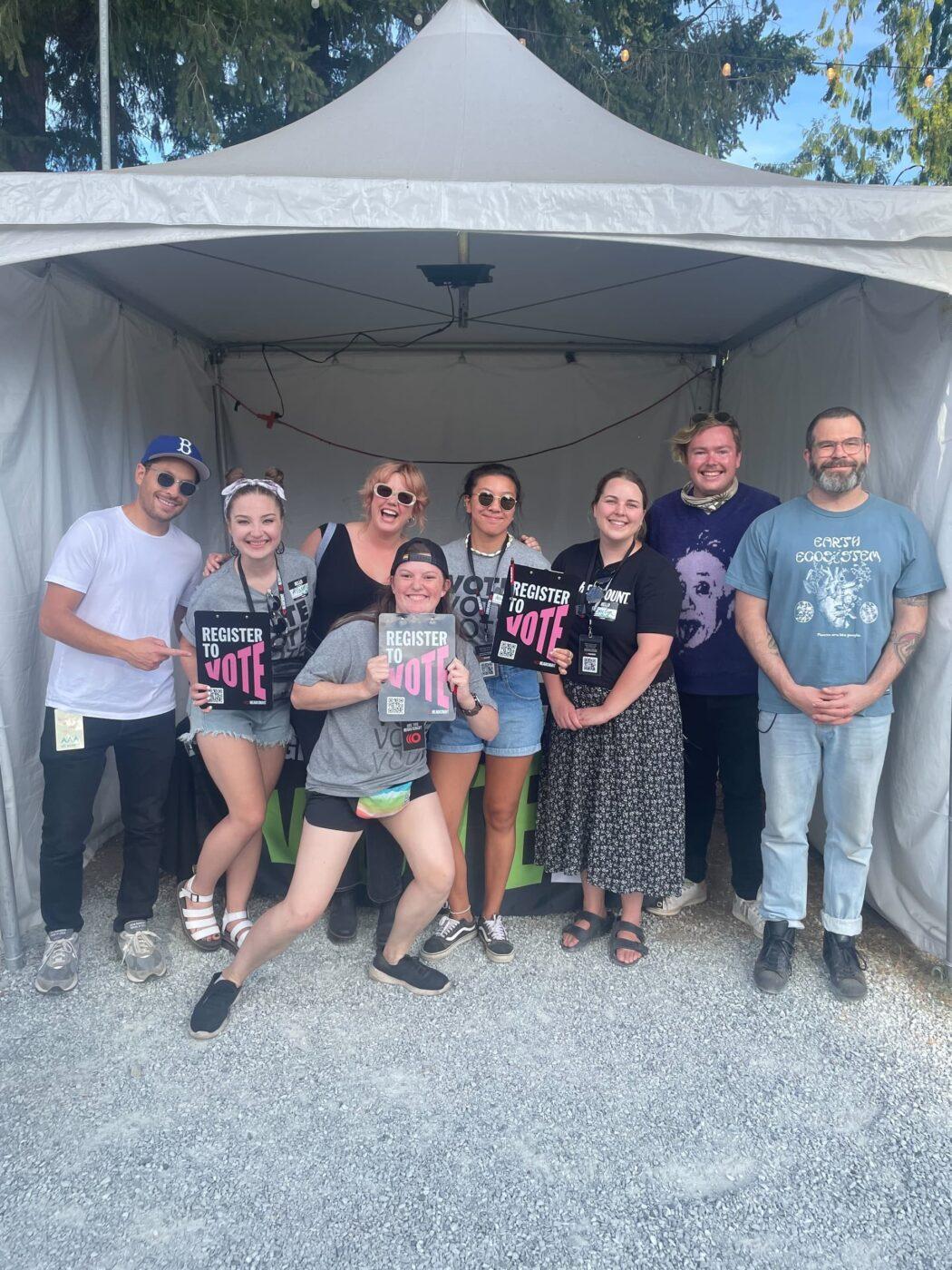
The Ally Coalitions’s MUNA and HeadCount on Tour! is an Unstoppable Voters Project – a series of Center for Artistic Activism supported works that protect the freedom to vote with creativity and innovation. MUNA and HeadCount on Tour! Founded in 2013 by Jack Antonoff (Bleachers) and fashion designer Rachel Antonoff, The Ally Coalition (TAC) is …
Continue reading “Unstoppable Voters: MUNA and HeadCount on Tour!”
Unstoppable Voters: Spin the Vote
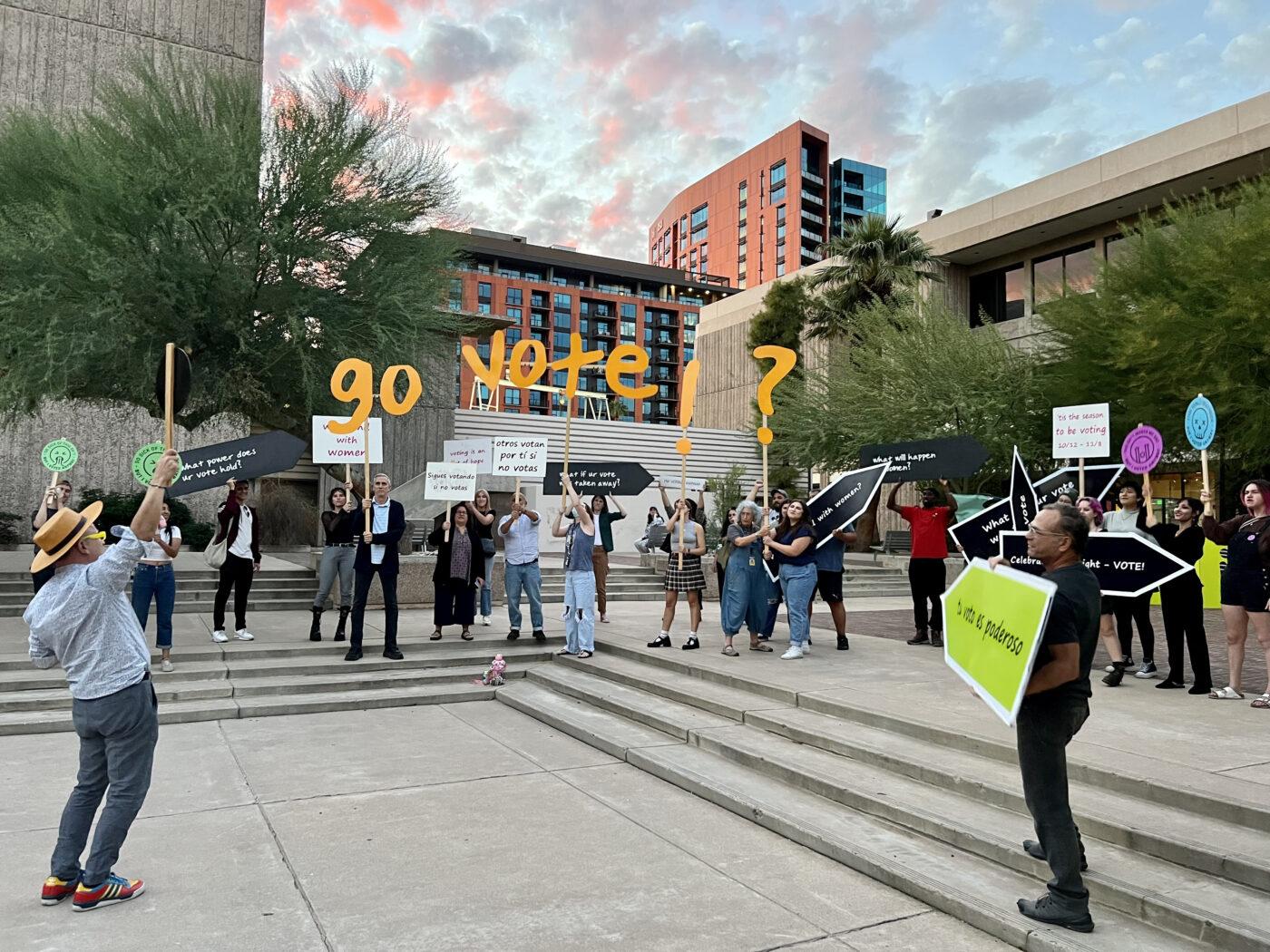
#ArtistsWhoVote’s Spin the Vote is an Unstoppable Voters Project – a series of Center for Artistic Activism supported works that protect the freedom to vote with creativity and innovation. Spin the Vote The collective #ArtistsWhoVote activated a variety of locations in and around Arizona State University in October and November 2022. Through a series of …
Unstoppable Voters: Black Ballots, Black Futures
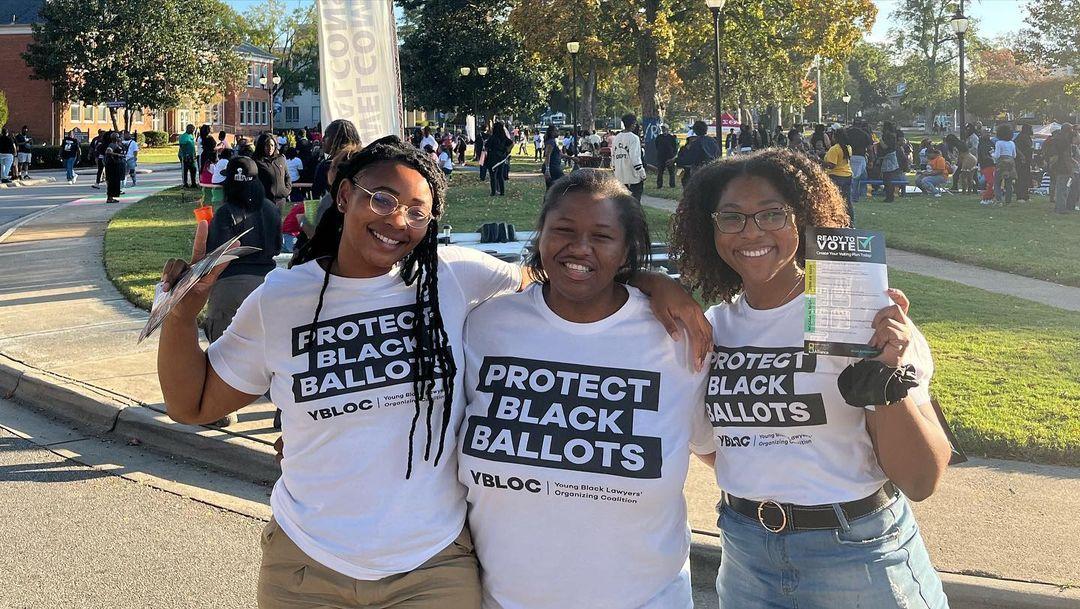
YBLOC’s Black Ballots, Black Futures 2022 is an Unstoppable Voters Project – a series of Center for Artistic Activism supported works that protect the freedom to vote with creativity and innovation. Written by Abdul Dosunmu, Founder & Chief Strategist of YBLOC Black Ballots, Black Futures 2022 In the 2022 midterm election, the Young Black Lawyers’ …
Continue reading “Unstoppable Voters: Black Ballots, Black Futures”
Unstoppable Voters: Salsa to the Polls
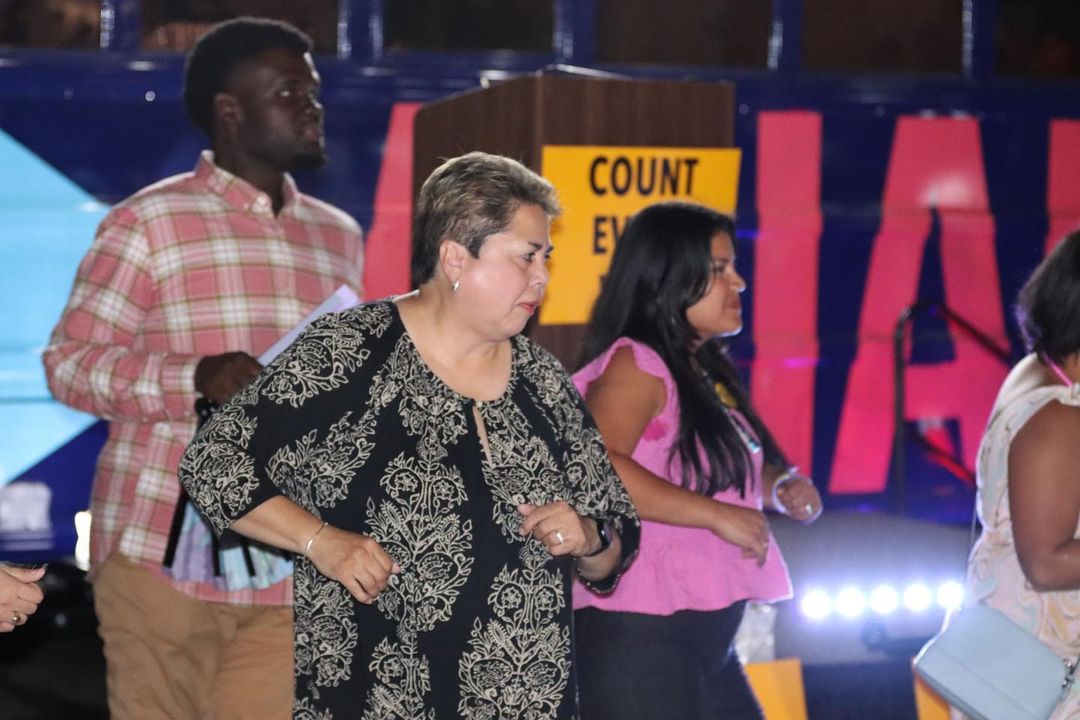
Alianza Center’s Salsa to the Polls is an Unstoppable Voters Project – a series of Center for Artistic Activism supported works that protect the freedom to vote with creativity and innovation. Salsa to the Polls Alianza Center serves Puerto Rican and Hispanic communities in Greater Orlando and throughout the state of Florida. Its core services …
Unstoppable Voters: Personal Voter Concierge Service
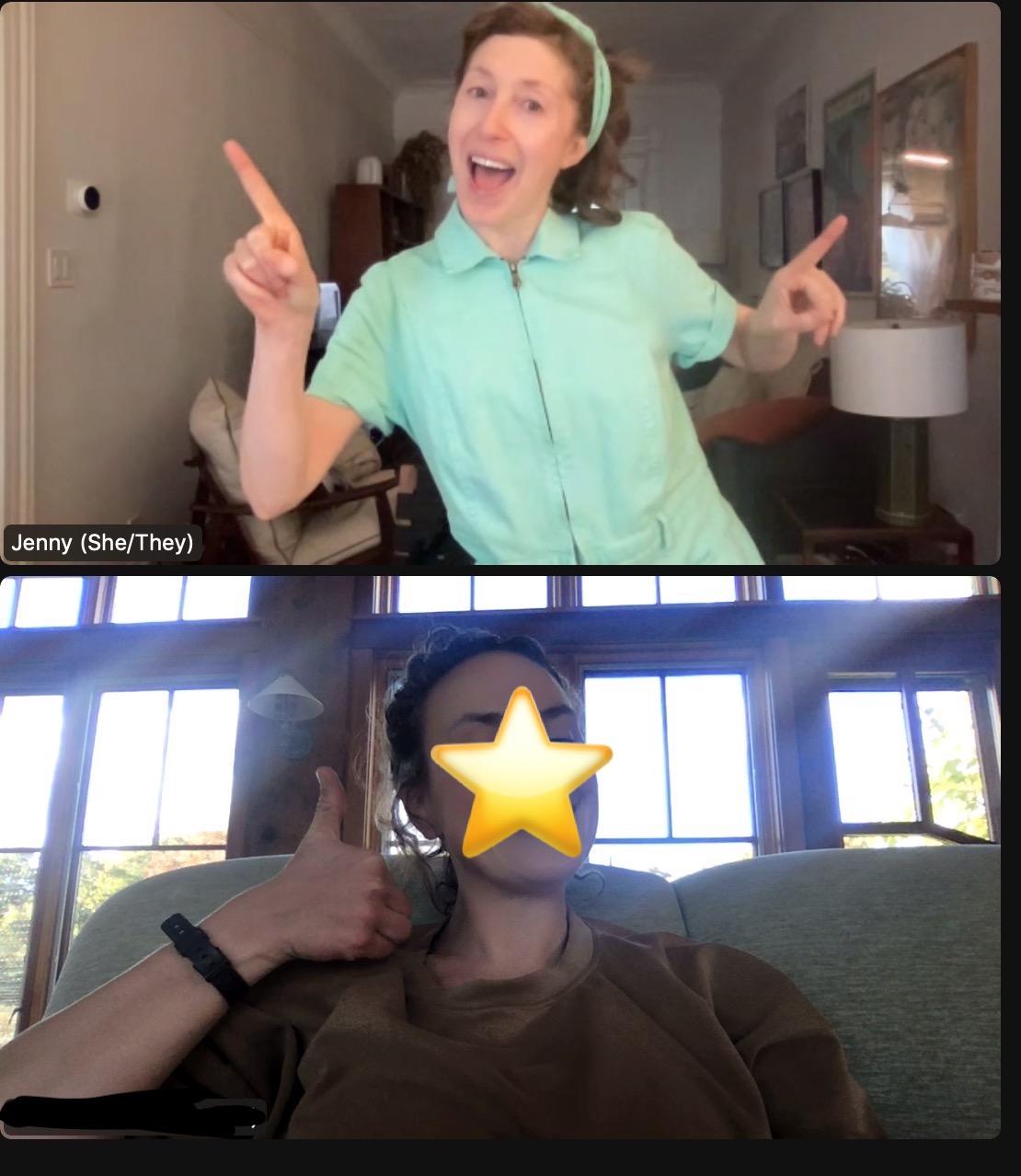
Vote With Us’s Personal Voter Concierge Service – where friends help friends vote early (& dance!) is an Unstoppable Voters Project – a series of Center for Artistic Activism supported works that protect the freedom to vote with creativity and innovation. Personal Voter Concierge Service – where friends help friends vote early (& dance!) Vote …
Continue reading “Unstoppable Voters: Personal Voter Concierge Service”
Redistricting Lotería
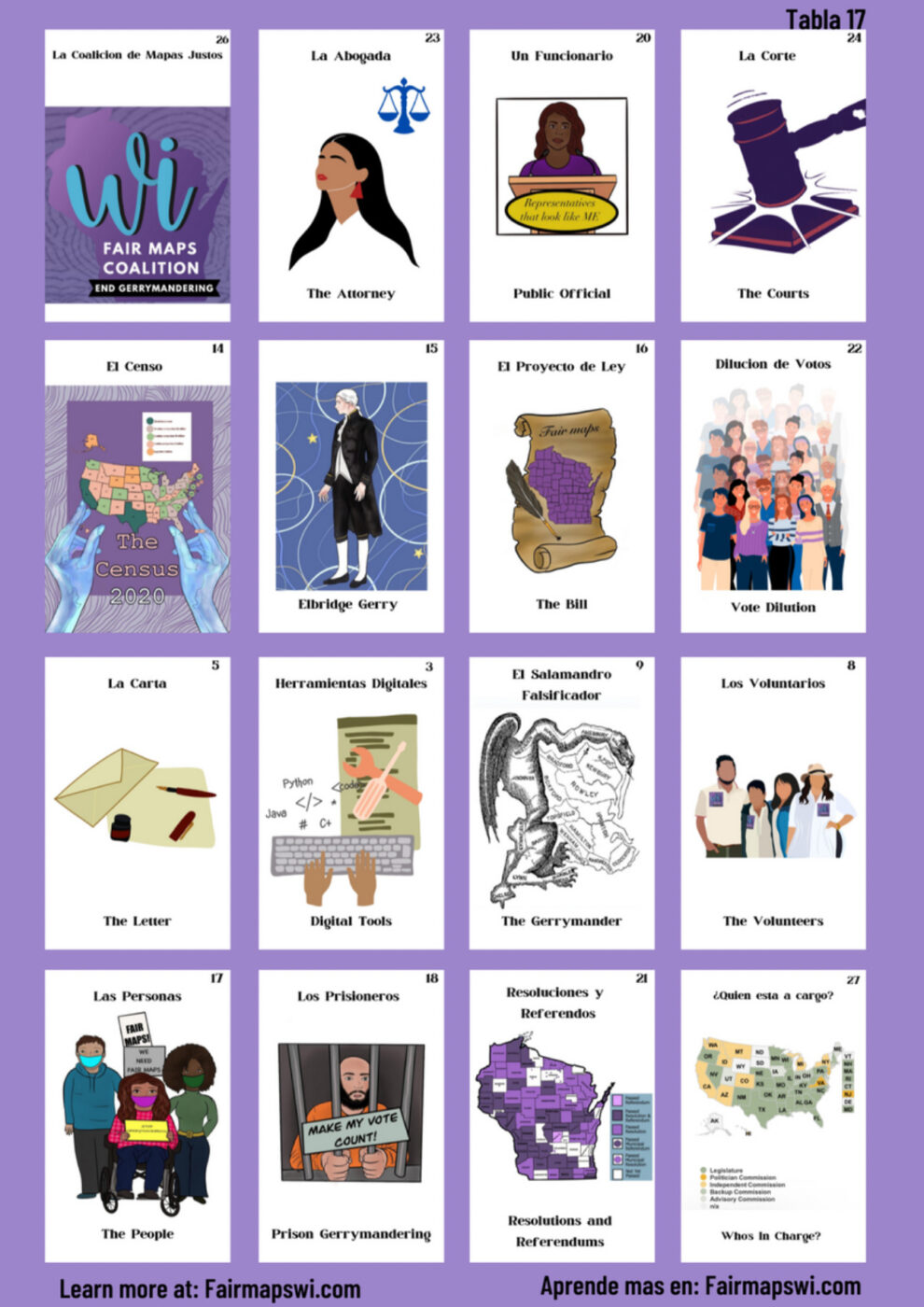
Redistricting Lotería is an Unstoppable Voters project – a series of Center for Artistic Activism supported works that protect the freedom to vote with creativity and innovation. Redistricting Lotería No matter what we look like or where we come from, when it comes to having a say over who represents us, most of us want …
How’s Your Voice Gonna Matter If You Don’t Vote Debut!
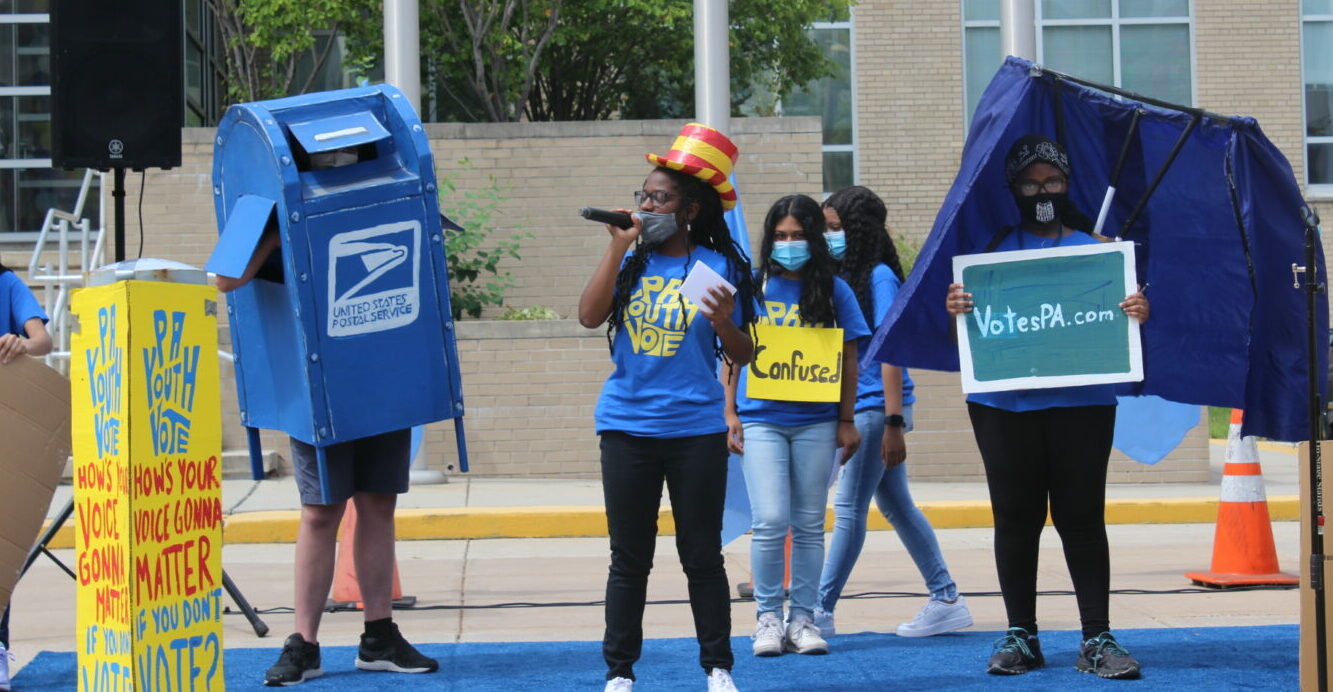
How’s Your Voice Gonna Matter If You Don’t Vote!–one of our Unstoppable Voters projects–took its performance direct to the School District of Philadelphia last week PHILLY TEENS CALL FOR VOTER EDUCATION IN DISTRICT SCHOOLS Teens in the PA Youth Vote summer theatre ensemble debuted How’s Your Voice Gonna Matter If You Don’t Vote! The song, …
Continue reading “How’s Your Voice Gonna Matter If You Don’t Vote Debut!”
¿En Serio Loca? ¡VOTA!
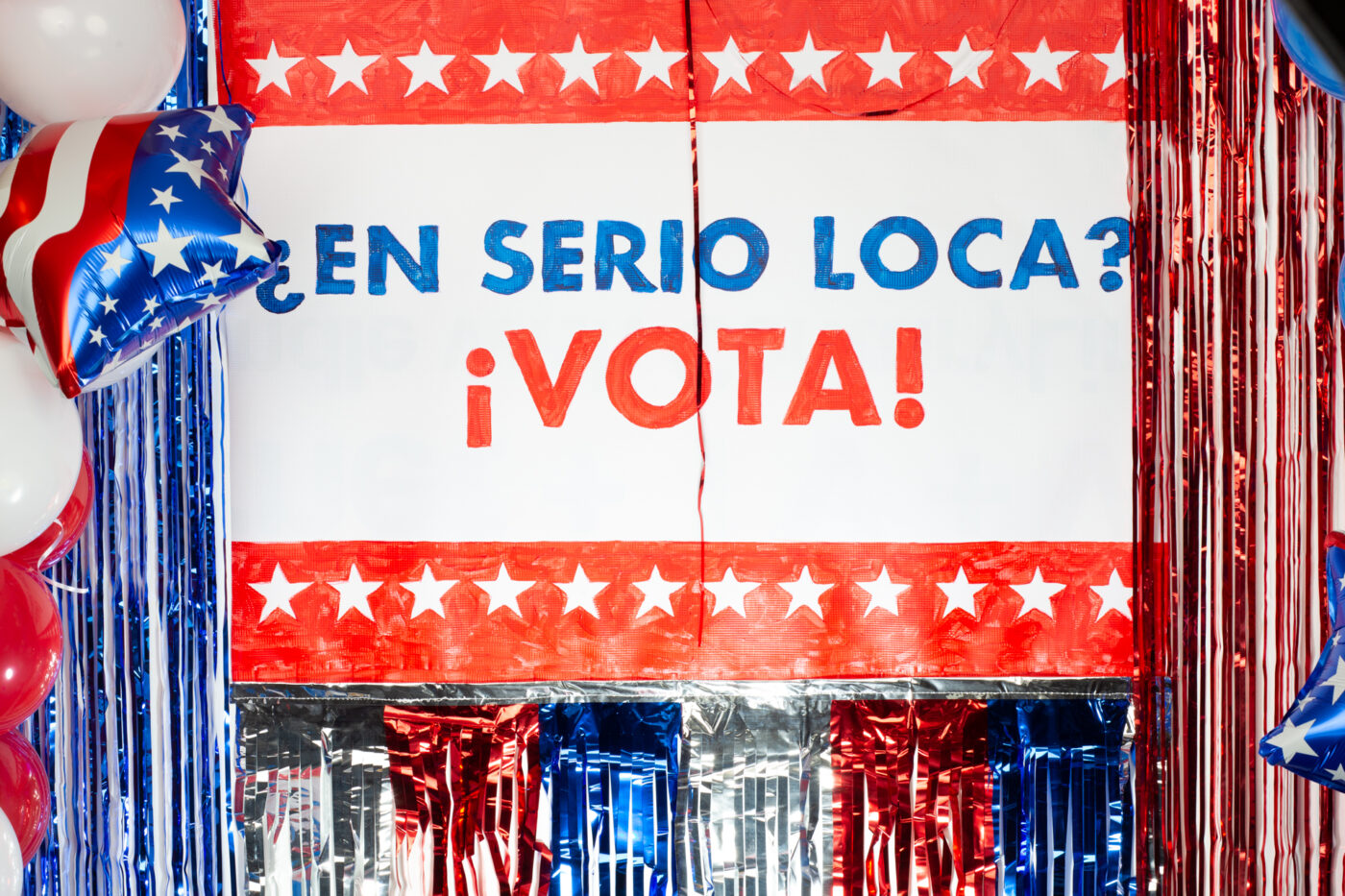
¿En Serio Loca? ¡VOTA! is an Unstoppable Voters Project – a series of Center for Artistic Activism supported works that protect the freedom to vote with creativity and innovation. ¿En Serio Loca? ¡VOTA! Voting is a powerful act, and should bring joy to voters! ¿En Serio Loca? ¡VOTA! is a one-of-a-kind queer celebration of voting. …
Chase the Erase
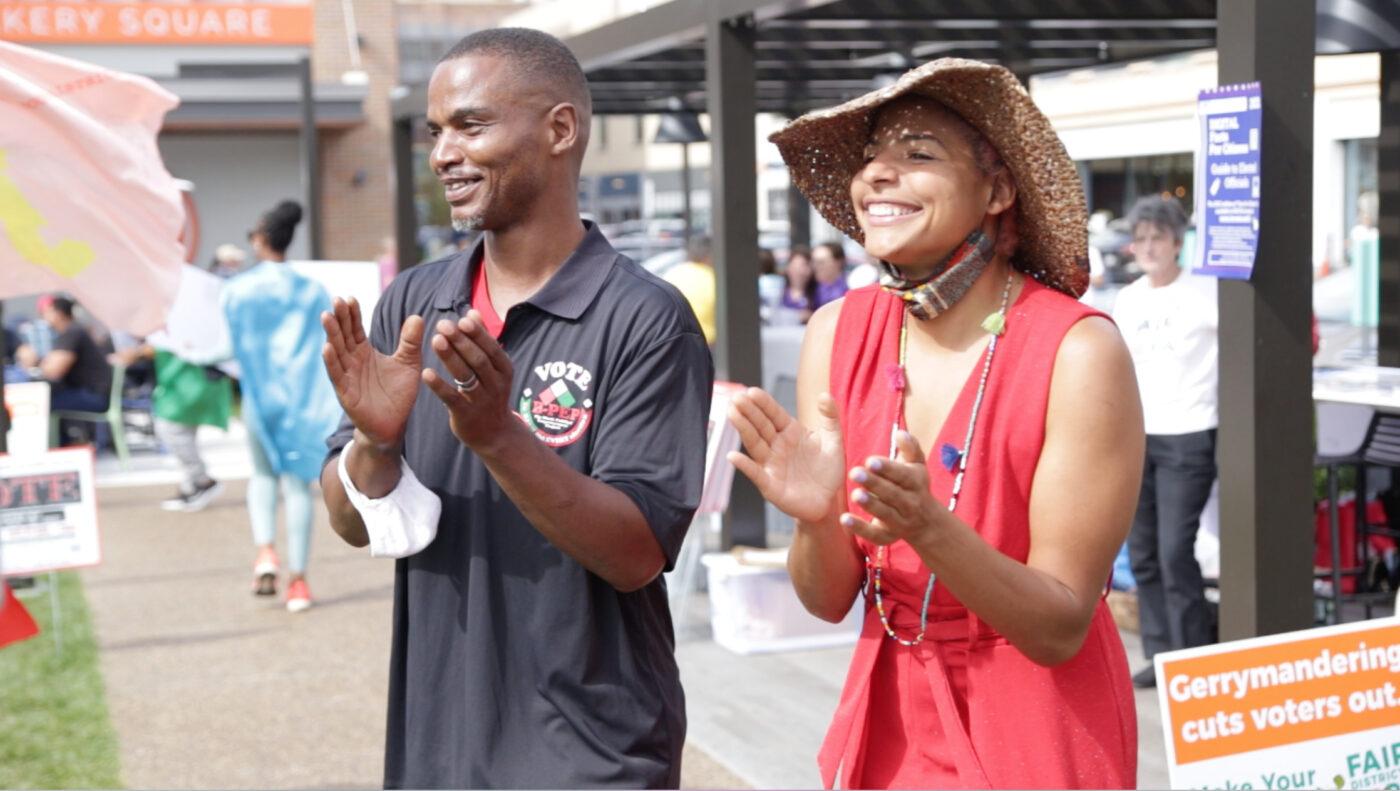
Chase the Erase is an Unstoppable Voters Project – a series of Center for Artistic Activism supported works that protect the freedom to vote with creativity and innovation. Chase the Erase As redistricting advances and fall judicial elections approach, the soul of voting in Pennsylvania is on the line. Catalyzing the fight for fair districting, …
August is Civic Health Month!
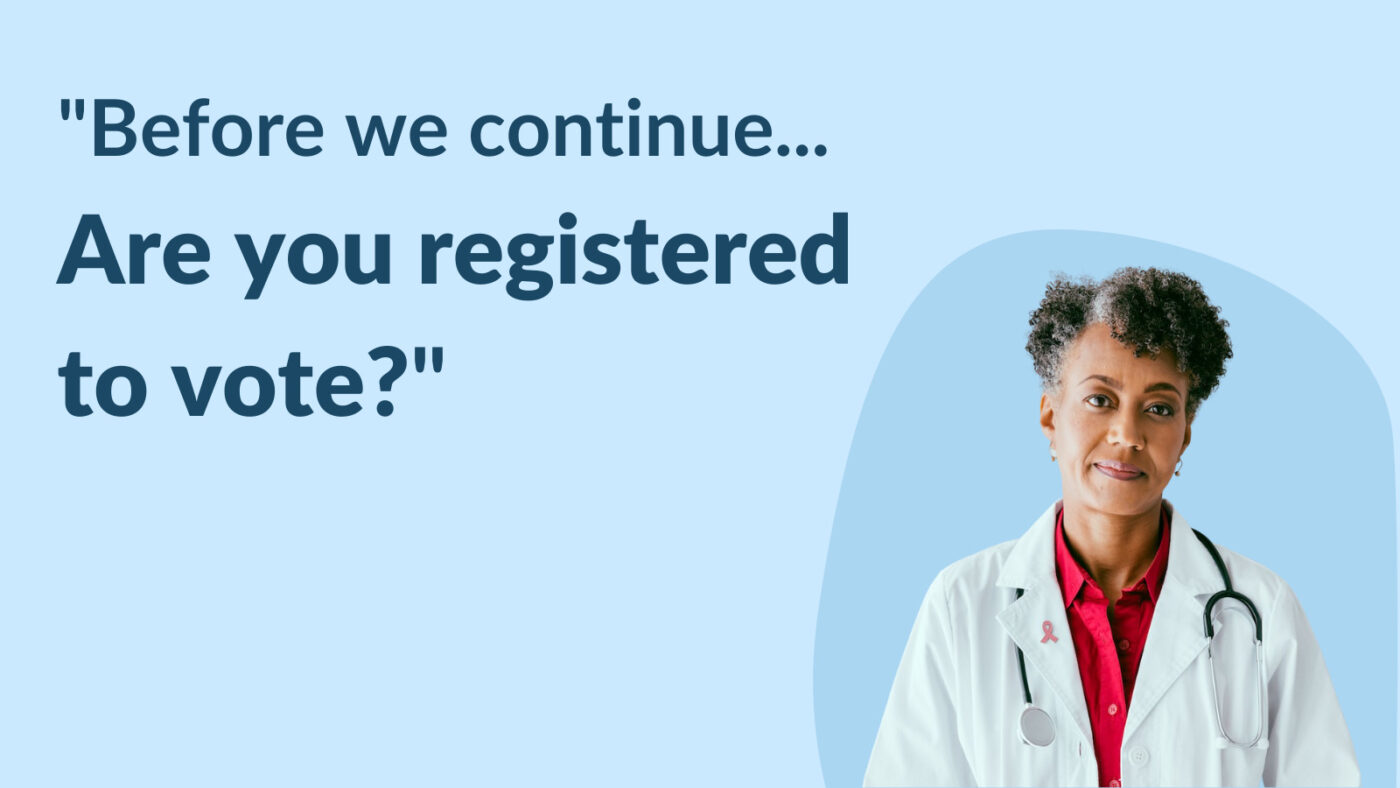
“Better health begins when every citizen has a voice in the public policy decisions that affect their wellbeing.“ Civic Health Month: a project of Vot-ER Through our Unstoppable Voters program, we’ve partnered with the incredible Vot-ER. Vot-ER Vot-ER is an organization committed to the vision of healthy communities powered by an inclusive democracy. They help clinics, …
How’s Your Voice Gonna Matter if You Don’t Vote!
How’s Your Voice Gonna Matter if You Don’t Vote! is an Unstoppable Voters Project – a series of Center for Artistic Activism supported works that protect the freedom to vote with creativity and innovation. When people start voting young, they are more likely to stay engaged throughout their lives. The teens of PA Youth Vote …
Continue reading “How’s Your Voice Gonna Matter if You Don’t Vote!”
Unstoppable Voters Panel – Behind the Scenes
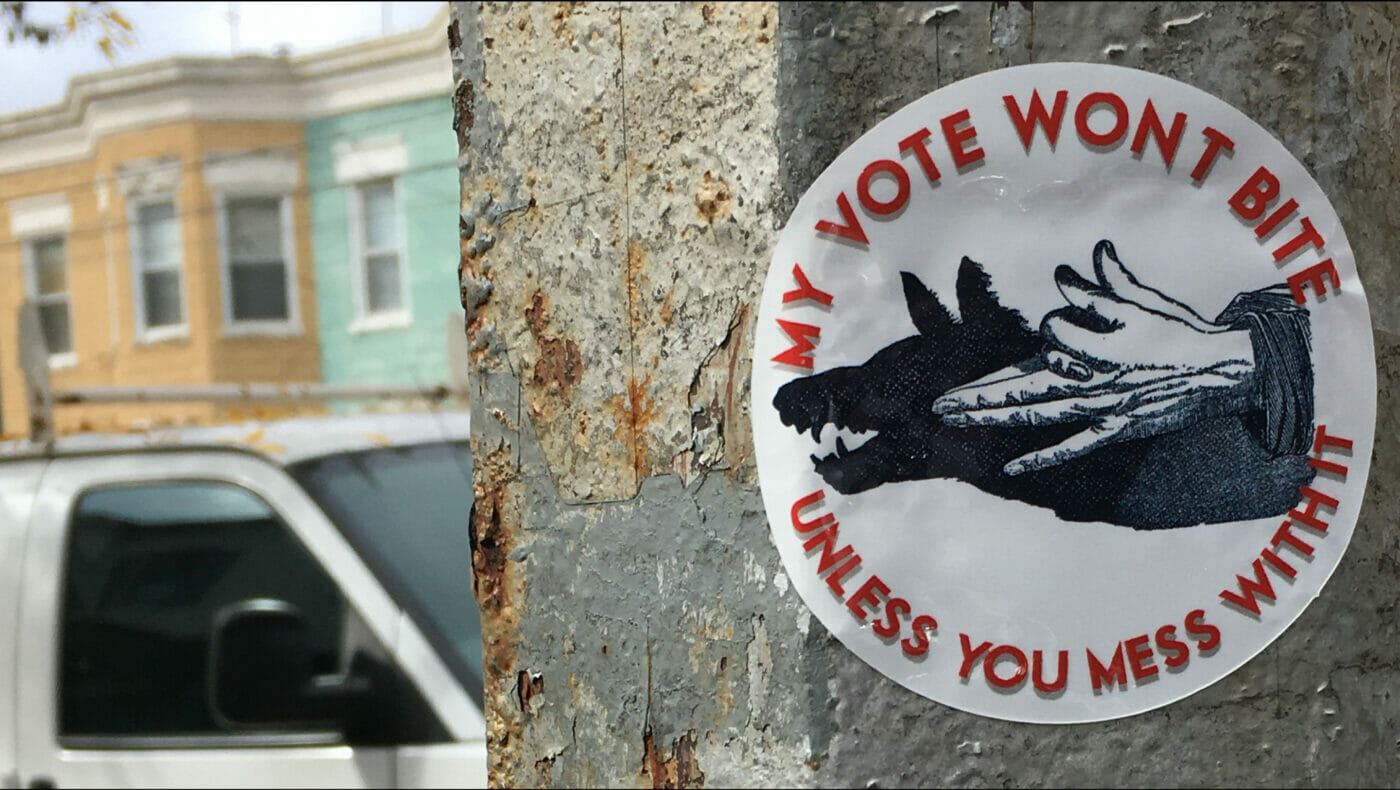
What worked? What were some of the strategies used in the projects? What wasn’t captured in the photos and video? You can watch a recording of this panel below. Highest voter turn out, ever. You can’t win elections without turning out voters. While there’s work ahead and complex problems to solve, we’re allowing ourselves a …
Continue reading “Unstoppable Voters Panel – Behind the Scenes”
Emergency Circus
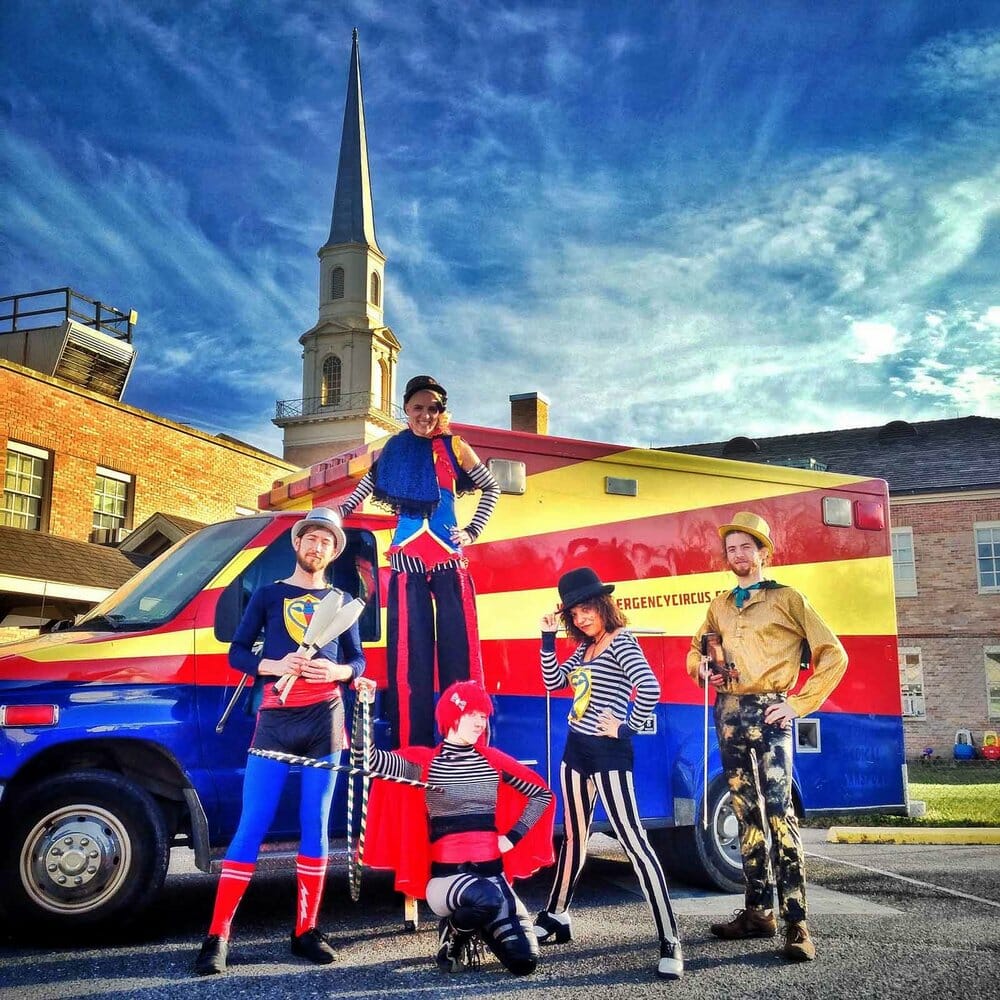
Emergency Circus is an Unstoppable Voters Project – a series of Center for Artistic Activism supported works that ensure every vote is counted in the 2020 U.S. election, relieve tension, and build healthy institutions in the aftermath. Emergency Circus Bringing circus joy to where it’s needed most. We are taking circus performer clowns across hotly contested Arizona …
Packing and Cracking
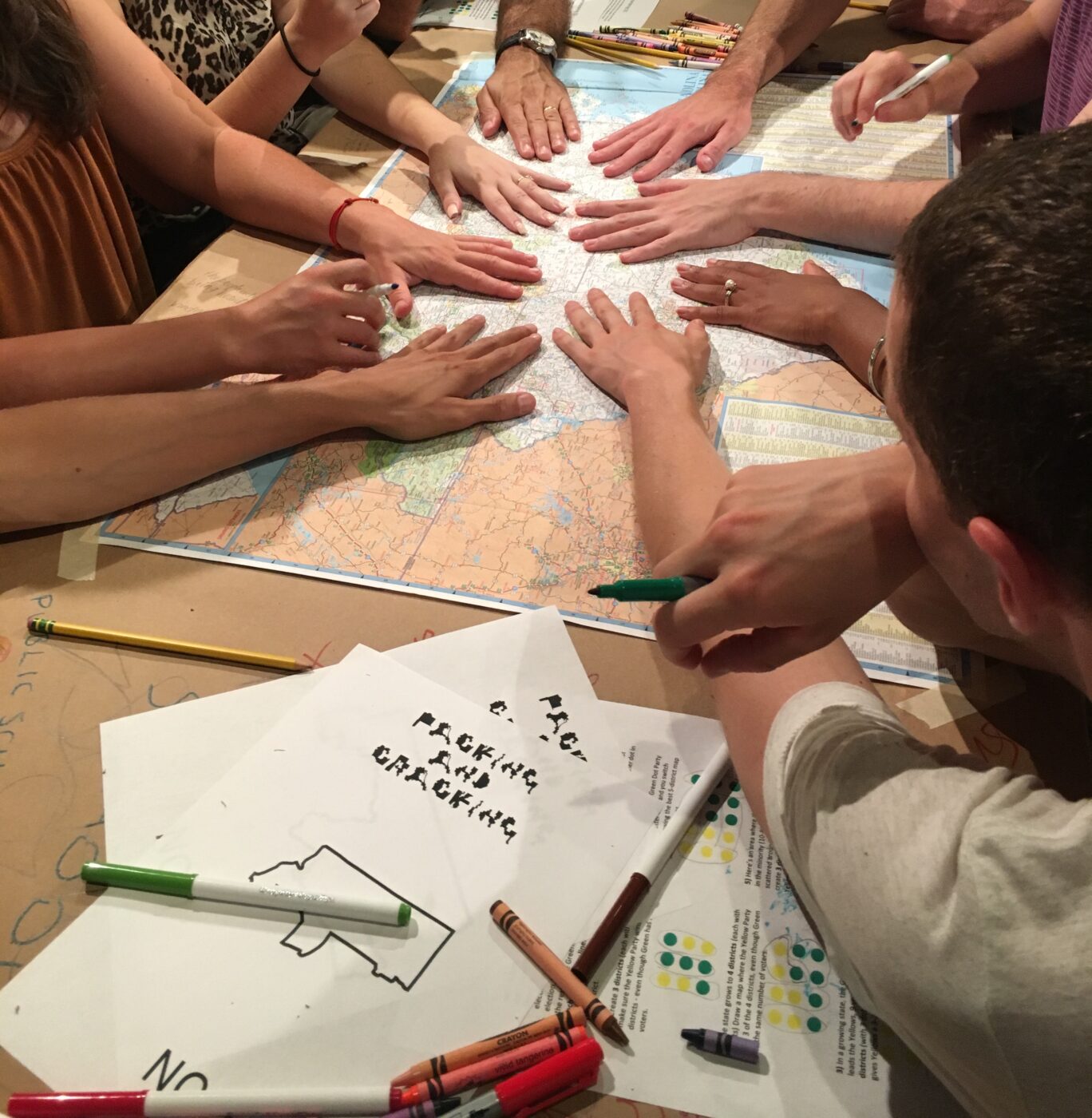
Packing and Cracking is an Unstoppable Voters Project – a series of Center for Artistic Activism supported works that ensure every vote is counted in the 2020 U.S. election, relieve tension, and build healthy institutions in the aftermath. Packing and Cracking Do we choose our politicians, or do our politicians choose us? Packing and Cracking …
Seed Evolution
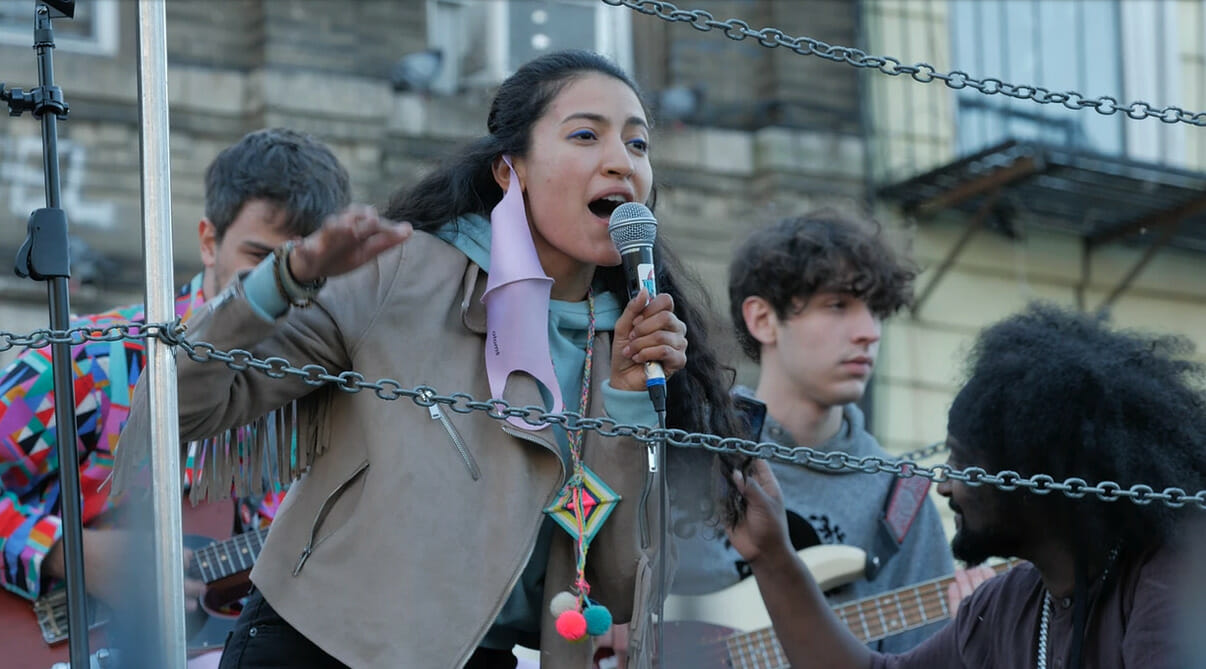
Seed Evolution is an Unstoppable Voters Project – a series of Center for Artistic Activism supported works that ensure every vote is counted in the 2020 U.S. election, relieve tension, and build healthy institutions in the aftermath. Seed Evolution One Bus. Eight Cities. Two Weeks. We will have pop-up screenings and public art activations, from …
Stir the Pot
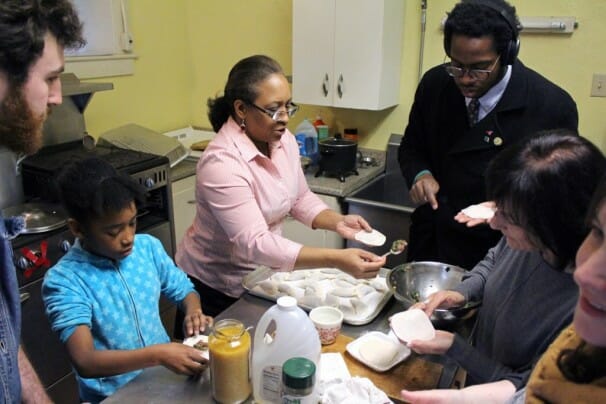
Stir the Pot is an Unstoppable Voters Project – a series of Center for Artistic Activism supported works that ensure every vote is counted in the 2020 U.S. election, relieve tension, and build healthy institutions in the aftermath. Stir the Pot Stir the Pot is a combination potluck series-civics lesson-activist training that uses the joy …
Southwest Organizing Project
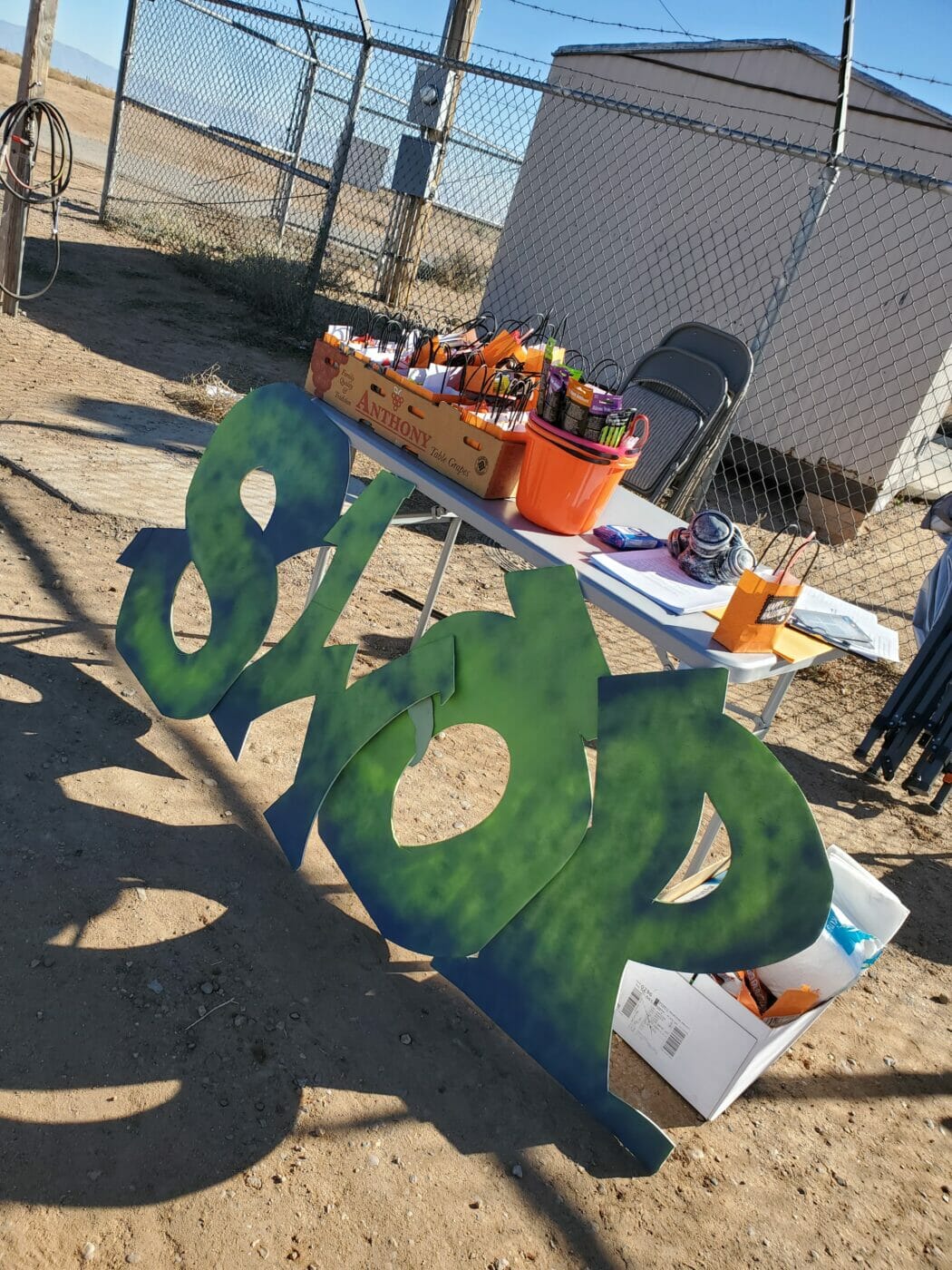
SouthWest Organizing Project is an Unstoppable Voters Project – a series of Center for Artistic Activism supported works that ensure every vote is counted in the 2020 U.S. election, relieve tension, and build healthy institutions in the aftermath. SouthWest Organizing Project Anticipating mass confusion, SWOP will create Social Emergency Response Centers (SERCs) in Albuquerque to …
The Peace Poets
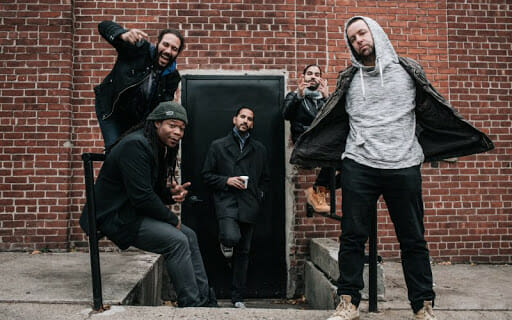
The Peace Poets are an Unstoppable Voters Project – a series of Center for Artistic Activism supported works that ensure every vote is counted in the 2020 U.S. election. The Peace Poets 2020 has shown us the work ahead, and as we move forward we need actions that are exciting, celebratory, and keep people motivated …
My Hope, Our Hope
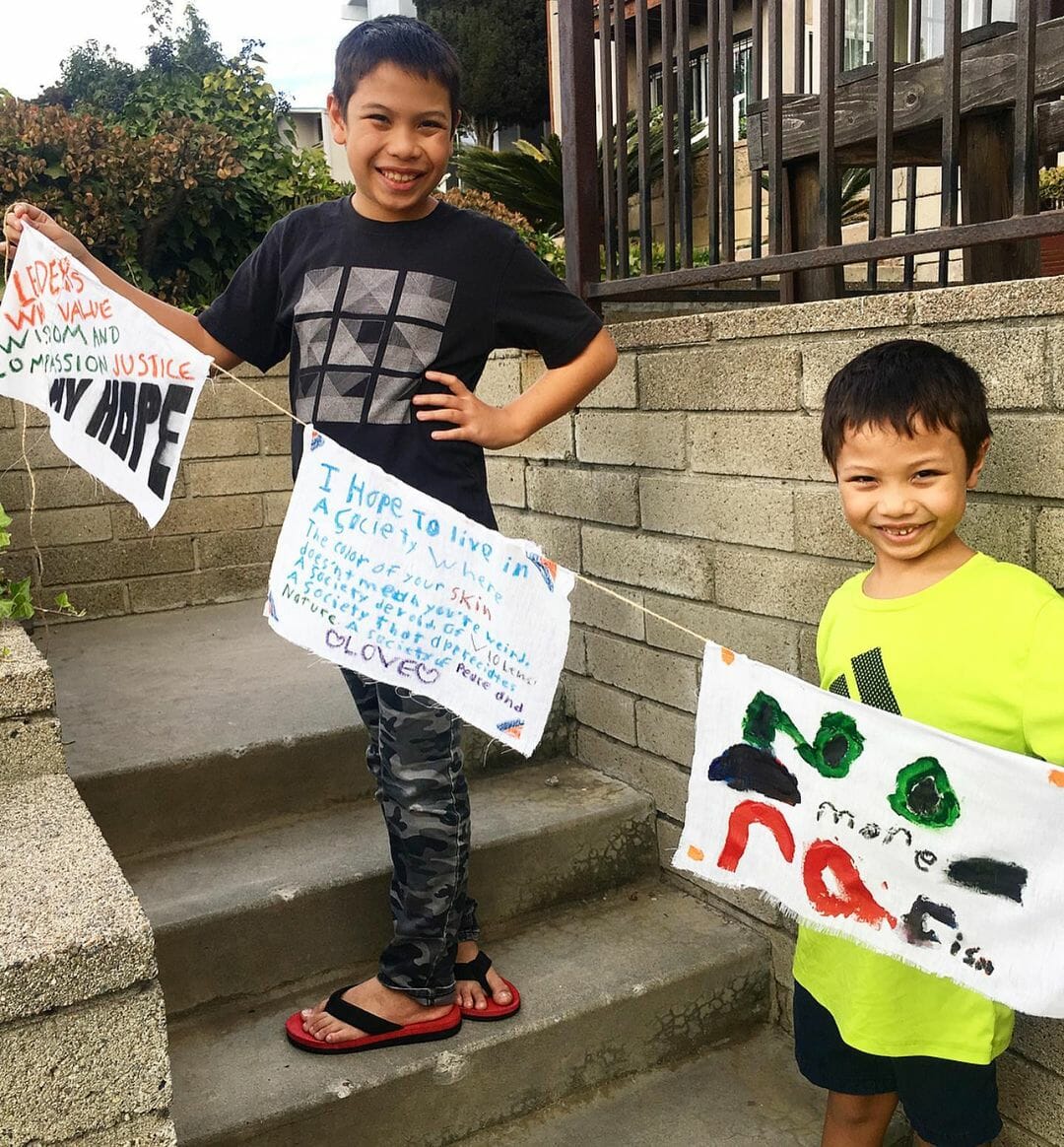
My Hope, Our Hope is an Unstoppable Voters Project – a series of Center for Artistic Activism supported works that ensure every vote is counted in the 2020 U.S. election, relieve tension, and build healthy institutions in the aftermath. My Hope, Our Hope A call to Artists, Teachers, Organizers, Community Members and Leaders, Students, Young …